Showing posts with label Writing Tips. Show all posts

Friday, 25 September 2020

Exploring Romance Tropes: The Virgin Protagonist

Wow, it's been a while since I've done any blogging... In my defence it's mostly because I've been busy writing my ass off... 

Anyway, enough about me. What I'm hoping to do over the next few months is try to deconstruct some of my favourite romance tropes from a writer's perspective – to help aspiring romance writers get a clear perspective on how these tropes work, why I love them and also hopefully to dispel some of the myths about them and to address some of the criticisms levelled at them from non-romance readers. 

But really, this is first and foremost a way to start a conversation among writers, so you might want to skip this post if you are a romance reader who has no interest in writing a romance, because I'm going to get boringly technical.

So before we get to discussing that most maligned of romance tropes – The Virgin – let's start with a few essential truths about writing romance.

Tropes Matter, But Not as Much as Character

Romance is a genre in which story structure is built on a vast array of established tropes – enemies-to-lovers, accidental pregnancy, secret baby, marriage of convenience, blind date, fake engagement, etc. Why? Because each one of those tropes create an instant external and internal conflict to challenge your characters and on which to build your story and hopefully hook your readers... The prevalence of tropes in romance storytelling, though, is also one of the main reasons the genre is often derided, or dismissed as formulaic, regressive, clichéd, etc. But I would argue, that's because people who don't read romance, don't understand how tropes work – and why particular tropes appeal to particular readers. They also don't understand the vicarious pleasure a romance reader gets from finding out how specific characters react to a specific trope... Which is partly because a lot of non-romance readers don't have any idea exactly how sophisticated romance readers actually are. 

A romance novel after all seems remarkably simple on the surface, it's just a story of a relationship with a positive outcome. But that simple structure hides a wealth of complexity, especially when it comes to characterisation... Because more than any other genre, the story in a romance novel is driven by how your characters interact with each other rather than the external plot. That's not to say the external plot – ie: the things that happen in the story outside your protagonists' control – aren't important. Depending on what kind of book you're writing and in which of romance's many many subgenres, that external plot can also be crucial. But, ultimately, it's the internal story of how your protagonists' relationship develops, how they grow and change as characters as a result of their relationship and their interaction with that external story that your readers want to read about most of all. In other words, without complex, multi-layered, believable characters with weaknesses as well as strengths who your readers can relate to, no one is going to want to read your romance, no matter which tropes – or how many – you employ to tell your story.

So finally, on to one of my favourite tropes...

Introducing The Virgin Protagonist:

I'm not gonna lie, the Virgin Trope is often viewed as an old school romance trope. Not least because, while there are some amazing stories featuring virgin male protagonists - see Anna Campbell's brilliant Untouched for starters - the virgin in the story, particularly if it's a heterosexual romance, is usually the female protagonist.

The virgin heroine trope is derided because it is perceived as suggesting a double standard - why should the woman in a heterosexual relationship, especially in a contemporary romance, be less experienced than the man? Are readers making value judgments about the morality of female characters as opposed to male characters? Well, maybe some of them are, after all romance readers, like every type of reader, come with their own unique set of values and perspectives... 

But here's the thing, for me, the reason I love writing the Virgin trope - whether it be the male or female protagonist, and I've written both - has nothing whatsoever to do with moral judgements. For me it's all about how brilliantly it can throw a spanner into the works of a relationship by defying or confounding expectations in that relationship. Because what a character perceives about another character can be turned on its head by that revelation – that one or other of them is not as experienced as they seem – when it comes to the first fully consummated scene of sexual intimacy. Obviously there is the question about how the inexperienced character reacts during that first sexual encounter – did they enjoy it, did it meet, or exceed expectations? Was it more intimate than they expected? Less so? But for me, perhaps more importantly, it's also about how the more experienced character reacts to that revelation too. Are they surprised? Shocked? Or even threatened by the other protagonist's lack of experience? Does it make them feel a bigger commitment than they want to? Does it fundamentally alter their perception of who that character is or how they will now react to what's just happened between them or what they are expecting from this relationship? Can you see how making one or other of the characters sexually inexperienced - they don't actually have to be a literal virgin btw for this trope to work (see below) - can create tension and subtext and internal conflict within that relationship? And subtext and tension and internal conflict is something that all romances thrive on, because it's the creation of that, the build up of it throughout the story and how it is eventually confronted, challenged and resolved that is the REAL vicarious pleasure romance readers seek – whatever their views are on female, or indeed male, sexual experience in relationships, and whether those relationships are heterosexual or feature LGBTQIA+ protagonists. Of course the degree to which you can ramp up the tension and the internal conflict between your characters with this revelation will also depend on a number of other variables, all of which are determined by your individual characters and their back stories. eg: how wide is the gap between their experience? Perhaps they're both virgins for example! How do each of them feel about the experience they already have sexually if and when they discover the other character has a lot less or a lot more? Is their lack or not of physical intimacy or sexual experience an inconvenience, a problem, a choice, a result of trauma, etc. 

And then in your story... How does that first sexual encounter develop on the page? And what happens after that initial encounter – whether the sex was good, fabulous, or absolutely horrendous? The answer is, hopefully lots more delicious internal conflict develops!

So I hope I've demonstrated how a writer can use the Virgin trope to develop conflict in their story... But here's the interesting thing about the Virgin trope, like a lot of other romance tropes, sometimes the trope itself, and the readers' familiarity with it, can be explored by the writer without actually adhering to it... 

Exploring the Virgin Trope: Or How I Used It in The Royal Pregnancy Test, Without Actually Having a Virgin in the Story!


So far I've talked about the Virgin trope in general and all the delicious What If questions it can create. But one of the things that got me thinking about writing this blog was when I saw that a reader had posted a warning for other readers on my next Presents/Mills and Boon release The Royal Pregnancy Test on Goodreads pointing out that they weren't going to read the book because they had discovered the heroine wasn't a virgin. That's absolutely fine, like most readers, this reader has particular tropes she loves to read and it's totally her prerogative to decide not to read a book that doesn't contain them... And to let other readers who may also love the trope know too. Goodreads is after all a forum for readers to discuss books with each other... But that warning got me thinking about the Virgin trope, in connection with this story and thinking about how integral it is to the story - did I say it was one of my favourite tropes?! - even though neither of the main protagonists is actually a virgin. And then it occurred to me, that is one of the beauties of romance tropes. Readers (and writers) are so familiar with them, that they can be used in all sorts of different ways to develop internal conflict and add complexity to characters and their backstories... 

Confused? Let me explain. (Warning: there be spoilers ahead!!)

So The Royal Pregnancy Test is the first book in a duo I've written with the wonderful Natalie Anderson. Our heroines are identical twin princesses Juno and Jade Monroyale - who were separated as children after their parents' divorce. The reckless rebellious twin Juno was sent to NYC to live a fairly normal life with her mother – a former actress with addiction issues who died when Juno was 18 – while Jade, who was the older by two minutes and therefore heir to the throne, stayed in the Alpine kingdom of Monrova with her father the king to be trained for monarchy. At the start of the story, King Andreas has been dead for a year, Jade is now the Queen and she's seriously considering an arranged marriage to neighbouring playboy king Leonardo of Severene. But then her sister Juno, who Jade hasn't seen in person since she was 16, although they've stayed in touch, turns up incognito at the Palace just before a Winter Ball. After discovering Jade's plans to marry Leo, who Juno thinks is a massive jerk (more on why later), Juno suggests they swap places for Christmas. It's basically a Prince and the Pauper/Frozen mash-up with added sexy times! 

So Jade heads off to New York to pretend to be Juno, little realising Juno has just had a massive screw-up at work and her impossible boss is NOT HAPPY with her (more on all that in Natalie Anderson fabulous second book in the duo The Queen's Impossible Boss). While Juno stays in Monrova planning to annoy Leo enough at the coming Winter Ball to totally put him off the idea of an arranged marriage. 

Now, Queen Jade is a virgin. She's been sheltered by her father her whole life, and Leo knows it - because King Andreas boasted about his daughter's virgin state while trying to set up the marriage before he died. In fact, Leo, being sexually experienced himself, isn't too keen on this. Why would he want his bride to lack experience? It could make their marriage even more awkward, especially as there's not much of a spark between them. But at the same time he's very pragmatic, to the point of being quite arrogant, and he figures it'll be okay. After all he knows how to please a woman, because he doesn't lack experience himself. 

But then the spark that Leo thinks doesn't exist between them ignites at the Ball, when he meets Jade again... Because well,  it's not Jade it's Juno! 

Juno, is not a virgin, although she doesn't have a great deal of sexual experience, and here's why... During her last disastrous summer visit to Monrova when she was 16 she threw herself at the 22-year-old Leo, who she had a massive crush on, and Leo rejected her, because she was just a kid and an annoying one at that. Then her father kicked her out of the kingdom for good, when he found out about her 'hoydenish behaviour'. As a reaction to that rejection, she went 'all the way' with a boy in high school on her return to NYC. Afterwards she discovered this boy had only slept with her on a bet, and the encounter was totally meh – as it often is with first times tbf... And she's not been that fussed about sex ever since, she thinks because of the meh encounter, but also actually because Leo's rejection and the shitty behaviour of that boy hurt her in a way she's never really acknowledged. Juno thinks of herself as being tough, resilient, but underneath that she's actually quite wounded and vulnerable... 

But back to the story, instead of the backstory... 

When Juno meets Leo at that Ball, he's as hot as she remembers him, and while she still wants to think he's an arrogant jerk, she also hits it off with him. They flirt, the chemistry's off the charts and they end up sharing a REALLY EPIC KISS... Suddenly Juno is questioning all those assumptions she made about sex after that one rubbish encounter – but also having to confront a few home truths about why that encounter was so rubbish and why she has shied away from sex ever since. Has Leo and his rejection had more of an impact on her life than she realised? Is she not as tough as she thinks?

Meanwhile Leo is questioning how the hell he ever thought this woman was not hot. And why he's actually quite pleased now she's a virgin, which makes him question his own integrity. Where has this neanderthal attitude come from? Doesn't it make him a sexist jerk? And if this marriage of convenience becomes something more than convenient will that drawn him into an emotional connection he doesn't particularly want... Because one of the things that attracts Leo to the prospect of an arranged marriage is not just the diplomatic and economic benefits, but also the fact that emotional intimacy does not appeal to him, for reasons that become clear later in the story...

After the REALLY EPIC KISS, another problem soon transpires for Juno. Having convinced himself he can totally handle the sexual intimacy and separate it from any emotional intimacy - did I say Leo is quite arrogant - Leo is even more dead set on getting the marriage with Queen Jade arranged, or the woman he thinks is the Queen Jade... 

So Leo 'persuades' Juno to go on an official state visit to Severene with the intention of seducing her. Juno can't get out of it without revealing who she really is. But when they get to Severene and Leo shows her the kind of approval in her role as the fake Queen that her father always denied her, she starts to feel more for him than just sexual attraction. Eventually they agree to sleep together. Juno knows she must tell him who she really is, but she prevaricates, because she wants Leo so much and she's scared if he finds out who she really is he will reject her again... And that would hurt, because she's already half way in love with him, something she would never admit to herself.... Then the big night happens. Leo is careful with her, he wants her to enjoy it, he's a little surprised she turns out not to be a virgin as he expected, but it's not a big deal because the sex is so good and he's become really captivated by her. She blurts out the truth about the high school encounter when she lost her virginity and Leo is surprisingly touched that he's the first guy to give her an orgasm during sex. But then that reaction disturbs him too, because if this attraction is mostly about their sexual chemistry, why should that matter to him... Now ofc the truth is Leo is falling in love with Juno too – she's smart, funny, much more vibrant and engaging and unconventional than the woman he thought he knew (ie: the real Queen)... But Juno – realising that she's falling for Leo and he might even be falling for her - totally freaks out at this point, because she knows this whole encounter is based on a lie. She's not Jade, she's not the Queen and how does she tell him the truth now? How will he react? Concerned at first by Juno's freak out, Leo - who is an observant and intelligent guy - begins to question all the things about Juno that don't fit, all those unexpected things that have captivated him - including her lack of virginity - but are now making him more and more suspicious.... Then he figures out the truth... And all hell breaks loose!!

So after that very long and involved deconstruction of the internal - as well as the external - conflicts at play in this story, I hope you can see, that the Virgin Trope is very much present in the text, disrupting expectations, even though neither of these characters is actually a virgin! And how delicious it can be to have both characters defy expectations, but also how much fun it can be to defy reader expectations too by playing with that trope... 

So there you have it, why I love the Virgin Protagonist Trope in romance... 

Feel free to put what you think of the trope in the comments. Do you love it too? Hate it? Think it's too old school? Too problematic? Has this EXTREMELY LONG blog given you a new appreciation for it or made you despise it more? Are there any books where it's used - or subverted - that particularly impressed you?

Let's start a conversation.

Shameless plug: BTW if you are an aspiring romance writer, a writer who wants to beef up their understanding of developing romantic relationships or simply someone who's interested in learning the secrets of one of publishing's biggest selling genres, I tutor an 7-week online Writing Romance Course for the Professional Writing Academy. The next course kicks off on Monday 26th October, if you want to join us. 


Tuesday, 28 November 2017

How I Succeeded at #NaNoWriMo2017 in 10 Super-Smug Top Tips!

Before I begin this blog about my startling NaNoWriMo journey this year... I give fair warning to anyone who is still doing it and has only hit 10k (which was me a few years back!) they may want to step away from this blog, unless of course you think my uber smug ramblings will inspire you.

Proof of my Awesomeness...
So, a little context. For the last four years I have done NaNoWriMo... In non-writer speak that's National Novel Writing Month, in which people all over the world attempt to write a 50k novel in a month during the month of November with the help of NaNoWriMo's handy website. To be fair, this fabulous, inclusive, supportive, writerly endeavour is really aimed at people doing a full time job, as opposed to writers like me whose full-time job is actually writing. So I already had a head start. I have all day to write, I don't have to take my laptop to work and squeeze in word count during my lunch break or after work on the train home or whatever.

But even with this huge boon, I have still managed to struggle to write a whole book in that space of time. There are a number of reasons for this.. Sometimes life gets in the way even if you're a writer, sometimes you have to stop to do revisions on another book, sometimes it's just too exhausting - writing all day, every day for thirty days is a marathon whatever way you look at it. But perhaps the most frequent reason I fail at NaNo is.. THE DARN BOOK JUST ISN'T WORKING!! And half way through the month I falter and fall flat on my face (I so need a gif here of a writer faceplanting on their keyboard). When I am simply no longer able to add word count to a heaving pile of poop that I know is going nowhere. And let's face it, that can happen to anyone. The NaNo theory is you just keep writing and polish the turd later into a glorious gleaming golden book and very, VERY occasionally I can do that, but most of the time I can't because I find myself putting words into my characters mouths or thoughts into their heads and I don't know where the heck they are coming from and as a result my story makes no sense, my characters become cardboard cutouts saying what I want them to say, not what they should be saying... And well, you get the picture, continuing to write when that happens is a complete waste of my time. I have to go back and fix it...

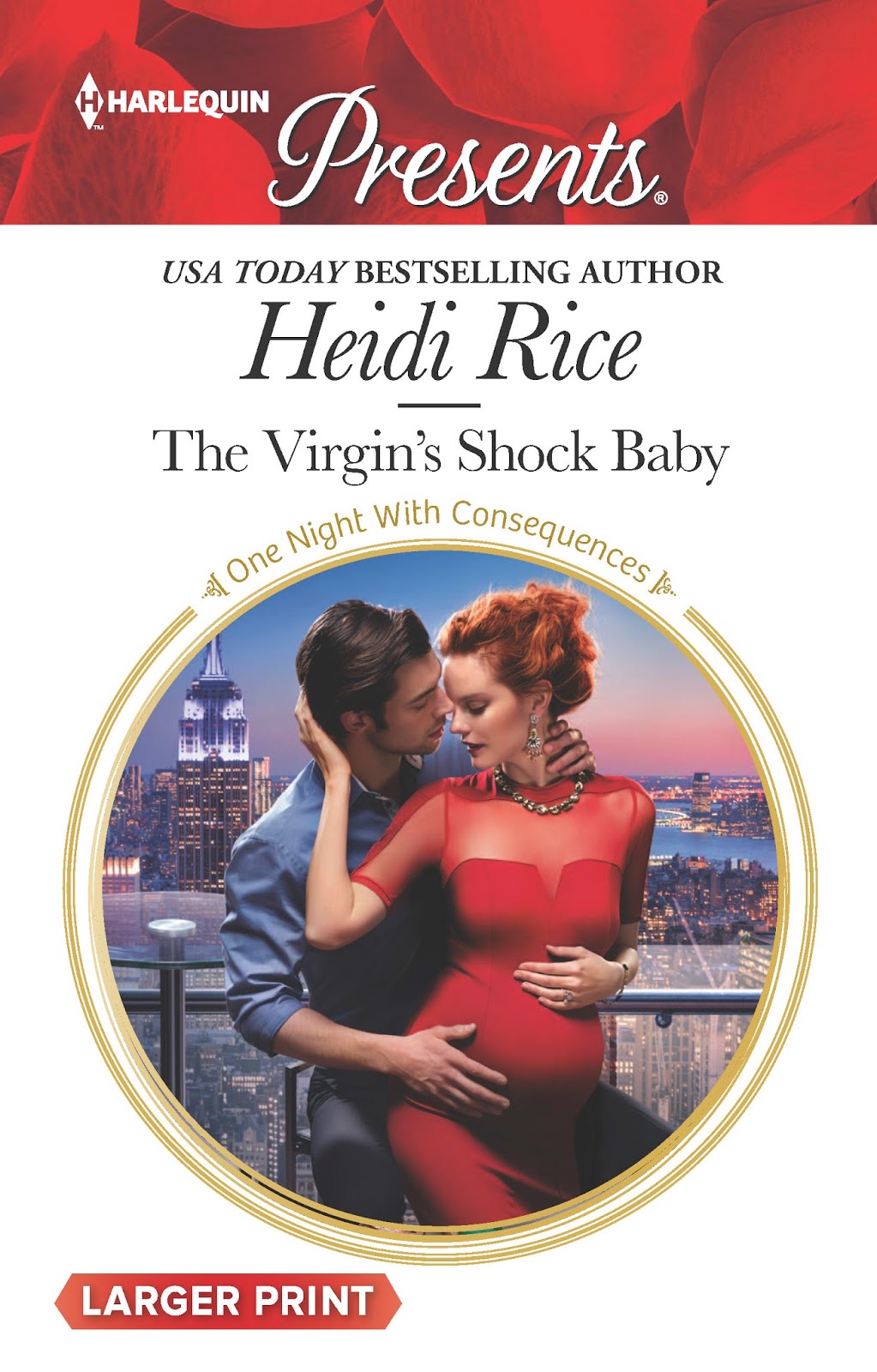
That basically happened the first two times I did NaNo. And after crashing out at around 10k the first time and 17k the next I felt pretty despondent, I'm not gonna lie. But then last year, I got a lucky break. I'd been working on this particular book for months already and had the Heidi Face Plant Effect with it, so I decided to scrap it and start re-writing it from scratch on 1st November with NaNo to spur me on.... I raced through that 50k book, I used a few scenes from the previous attempts but at least 45k of it was new writing, and declared myself a winner. Because strictly speaking I was. But I knew I'd had a bit of help, because I'd tried and failed so many times with these two characters and this story already, I knew them inside and out by the time I sat down to write that story... The result was a book called The Virgin's Shock Baby which I ended up loving, the words just flowed during that November, and although I did have to do some revisions on it (because I have yet to manage to write a book which does not require them!) the main bones of the story, the characters and their conflicts, all the key scenes were there. Which is pretty impressive and pretty huge IMHO... *Heidi pats self on the back here* (see what I meant about smug?)

Now as luck would have it, The Virgin's Shock Baby came out this October, so while I was doing publicity for it and I got to thinking at the beginning of October...

Can I do that again? But from actual ground zero this time. Can I repeat that remarkable, uplifting writing experience, with a book that I hadn't even written a synopsis for? Let alone any words? Now at this point, and one of the other reasons why I was considering doing NaNo again was that several things aligned...

Top Tip 1: Incentivise Yourself: 

At the end of October I had just handed in another book and was waiting to hear back from my editor on it. I had one book to submit left on my current contract which had actually been due at the end of October, but which I was already late with because the first book in this particular 3-book contract had nearly killed me, took a tortuous six months to write and pushed all my deadlines back several months... So if I could get this next book out in a month it would make up for that nightmare book's messing with my writing schedule. It'd still be a month late, but it would put me right back on track. So I had a lot of incentive - money-wise - to commit to NaNo!

Top Tip 2: Brainstorm/Plot Something, Anything, Before You Start

Inspiration - Texas-style
Just to be clear I am a pantser... I don't as a rule plot. But you do need some semblance of an idea before you start.. For me I got round to this as a result of another fortuitous thing that happened in October... I went on a ten-day road trip to Texas with my best mate right at the beginning of the month. We do this every couple of years, because we love each other and we love discovering and re-discovering the hidden corners of the US (we met while doing a Comparative American Studies degree at Warwick, nuf said!) and it's a great way to enjoy just being ourselves - as well as mums, and wives, and workers, etc. (There is a reason why one of our favourite movies is Thelma and Louise - although we always leave out the driving off a cliff bit!) Anyhow, this year we ended up doing a five hour drive one day through the Big Bend then along the border country on I-90 from Marfa to Fort Clark Springs... The desert landscape was rich and evocative and during the drive I brainstormed an idea for my first Sheikh book with my best mate. I'd had an unformed idea mulling about in my head for a book in which the heroine was a ghost writer who was commissioned by the hero... That was it, that was all I had. Now, my best mate is not a writer, or a romance reader but as we chatted about my characters, their backstories, what their motivations were, we refined the story, discovering some of the key themes, the plot points, etc and ended up with a much better semblance of an idea for this book with her playing Devil's Advocate. For example, I'd discovered my hero was a royal personage of some description who wanted my heroine to write a hagiography of his dead father - the former ruler of a secretive oil-rich kingdom. In reality his father was a despot, but the hero wanted to hide this as he brought democracy to his kingdom, but he hadn't counted on my heroine's thirst for truth and knowledge or the insane sexual chemistry that they shared, etc, etc.. These were just a few of the things we discovered about the story
Brainstorming is Us
during our drive...  Which just goes to show folks, if you don't already know this, as a writer you can work anywhere, even when you're driving a car... Unfortunately we got a bit too into our brainstorming at one point and ended up getting pulled over for speeding! At that point, as we sat in the car watching the highway cop saunter towards us with his gun on his hip things got a bit too Thelma and Lou... But luckily the officer who stopped us was an absolute sweetheart and only gave us a caution (he is so ending up in a book one day!)... Anyway, the caution and the 'crapping ourselves' moment was worth it, because when I got back to the UK, I had enough of an idea for this book to slap up a synopsis on my NaNoWriMo page in late October. BTW that synopsis is nothing like the finished book, but it committed me to the process and, perhaps even better, I had a clear idea for an opening scene!

Top Tip 3: Have a Clue for Your First Scene

That first scene is pretty important when you kick off with NaNo on November 1st, because with only 30 days to write your story you have to hit the ground running... If you spend hours, or even waste your first day, trying to figure out what you're going to write for that first scene, you are screwed, because you will already be waging an uphill battle by Day 2, which is going to make it that much harder to incentivise yourself... That said, your first scene doesn't HAVE to be the opening scene for your novel like mine was - that may change during the course of the month anyway... I will cover the non-linear approach to NaNo in Top Tip 5... But before that in my personal NaNo journey this year I have ...

Top Tip 4: Go Off Piste If You Have To

Although I hit the ground running with my first scene and managed to add yet more words to it by Day 2 and was feeling pretty impressed with myself... It all went a bit pear-shaped on Day 3.. Yeah... Day 3! I was flagging because I'd completed my opening scene, I liked it, or mostly liked it, but something was not working. Already. Should I charge ahead and ignore that feeling, or take the time to stop and rewrite the scene, figure out what was wrong? Because I'd been feeling chipper and excited about my great early word count the temptation here was to forge ahead. Bollox if it's not working, I WANT MORE WORDS... But then I stopped to think. And here's the great thing about NaNo, it gives you the scope to do this. Because it gives you loads of stats. You're aiming to write 1667 words per day, which actually isn't very many if you break it down (especially if you've got the luxury of the whole day to write), so if you write extra words some days, obviously you have more leeway on others - and your NaNo novel stats will tell you exactly how much leeway you've got. So here's what I decided... It was early days, I'd got ahead, why not take advantage of that and use the extra leeway to figure out what was wrong, because I knew from my process and my previous NaNos that launching into a book that wasn't really working right from the start was a recipe for disaster which I would pay for later. I didn't get back up ahead of the curve again till Day 9 but taking that break on Day 3 to correct myself meant that I was able to keep up the forward momentum... Which is pretty important in NaNo and something you need to try and do no matter what... Which leads us to...

Top Tip 5: If a Scene's Not Working, Write Another

Some times you have the luxury of going back and rewriting... Other times you might need a bit more time to percolate a particular scene in your head.. Or maybe you're just bored with the chonological order of the story and you've got this really vivid idea of a scene that comes much later which you want to write first. This happened to me a couple of times during my NaNo story. Ordinarily I wouldn't jump ahead, because I tend to panic that I'll never want to go back and finish the other scene, or the scene I want to write might never end up in the book - I'm a bit of a completest on the sly - but with NaNo you can totally use your dogged pursuit of all things word count to free up your writing that way. And for me that turned out to be liberating.  When I actually ended up incorporating my jump-ahead scenes into the story, I had to change them quite a bit, because stuff that had gone before had changed too in between the time when I wrote it and the time I got to add it on the timeline, which is why I wouldn't recommend doing this too much - I would also advise not writing in capital letters on your ms "ADD SEX SCENE IN HERE LATER" when your son is looking over your shoulder!  But it was still cool having those jump-ahead scenes ready and waiting for me to give me a crucial road map to follow as I filled in the blanks...  For this reason I would also suggest going with ...

Top Tip 6: Don't Sweat the Small Stuff

I found that while I was keen to change things up occasionally (Tip 5), and I did stop and re-edit a couple of scenes that weren't working so as not to stall my forward momentum (Tip 4)... It was also invaluable not to freak out too much about the actual quality of my writing. You know, that moment while free-writing a scene when you wince and think, oh crap did her blush just go radioactive AGAIN!! ie: that moment when you realise you've already used that stock phrase about two dozen times before in the story... I'm telling you now, don't worry about that, you can fix all that when you re-read the story, figure out a more original way to describe her blush, or maybe stop having her blush like a nun every two seconds... That's all in the finesse you'll bring to the story later. NaNo isn't about finesse or fine, finished, perfectly polished prose, it's about spewing out that rough draft in a month. And rough in my case meant rough (or even radioactive!)

Top Tip 7: Manage Your Procrastination

Now, as I said before, life sometimes will get in the way. In which case you give yourself a pass... I'm not someone who can write when my kids are sick, I'm sick, my boiler just blew up, or during the myriad other things that might go unexpectedly wrong. That said, I am also someone who loves to procrastinate... Procrastination is not life getting in the way, people. It's you getting in the way of your writing. Now, that said, I also am not someone who can do NO procrastinating at all for a whole month. I would have to cut off my fingers and blow up my modem to achieve that... I love social media, I'm addicted to fricking Instagram at the minute (thank you so much to my sons for introducing me to that handy timesuck) and I also love to go on trips. With that in mind, I made sure I only agreed to one weekend away in November (more on that later in Tip 8) and I also made a concerted effort to limit my social media fiddling... I will admit that it didn't hurt at all that by the middle of the month I was so into Zane and Cat's story I was actually keen to write it, so piddling about on Facebook finding out what my spirit animal was or who I'd been in a former life (Cleopatra btw, if anyone is interested) didn't appeal as much as it usually would, but that won't always be the case. Although having said that, maybe getting into the story was actually a result of abiding by Tip 8...

Top Tip 8: Write Every Day, No Excuses

Write Everywhere & Anywhere
No excuses - except for the life getting in the way one, obviously. For me having to write every day became an issue several times during my NaNo month for a number of reasons. For starters, even though I write for a living I don't usually write on weekends (unless I'm on a screaming deadline) and I don't always write every single day, because I might have other stuff to do instead which I can convince myself is actually writing (even though it actually isn't) such as publicity for a previous book, updating my website, writing a blog. As it happens I was also tutoring my online course in Writing Romance for the Professional Writing Academy, which I love doing, so that was another thing I would happily be doing rather than writing my own story. But despite all of that, during November, I forced myself to write my story EVERY SINGLE DAY until I'd finished my book... This is another great asset of NaNo, it does push you to do this, and I have discovered, the more regularly you write, the more you get into your story and your characters, and because of that ideas start percolating, things start being revealed that only familiarity with your story and your characters can give you. I was actually waking up at night occasionally with a new idea for a scene (to be fair, that got a bit annoying, especially when I couldn't remember the idea the next day - or I did remember it and realised it was pants!). But the one day when I really really struggled to write  was during the one weekend trip I had allowed myself. This was a trip to Manchester, with my husband, who was being interviewed at a special crime writing conference at the University of Salford on the true-crime book he published in July called Hunt for the 60s Ripper. We arrived on Friday night, had a great night out in Manchester, got ever so slightly merry and didn't crash out in our room at the Premier Inn in Salford Quays until very very late... I knew I was not going to be able to write on the train home the next day (because my youngest son has kidnapped my laptop and is holding it to ransom in his uni room in Sheffield), so the only option left to me was to write in the Premier Inn the next morning while my husband headed off to the conference. I'm not gonna lie... That was hard work. Sitting in that room, somewhat hung over (more on that in Tip 10) and booting up my husband's laptop while the big cuddly bed was beckoning and I knew all sorts of cool stuff was going on in the conference. I didn't manage a huge word count that day, but I managed enough to update my word count and stay ahead of the curve... Which brings me to Tip 9.

Top Tip 9: Get Addicted to Updating Your Word Count & Other NaNo Tricks

Updating my word count obsessively definitely worked for me, incentive-wise. It was one of the things that got me sitting my butt in the chair each day, unplugging my internet and forcing myself to put words on paper, because I wanted to see where I was on the curve, wanted to get that little badge saying I'd updated my count five days in a row, or reached a particular milestone, etc. On those days when I had found it hard to write, or my procrastination management took a hit, I got into updating my word count every time I took a screen break, just to convince myselt that I had made some progress. During my normal writing life, I write in the mornings, but because of my word count update addiction, I discovered that on days when I'd been farting around too much I would have to write in the afternoon or even the evening to get those words done. The NaNo site also offers other incentives to writing. Find what works for you - maybe chatting in the community forum, or doing one of your local write ins at a coffee shop.... But whatever it is, use it. And keep updating that word count.

Top Tip 10: Keep Fit and Don't Get Pissed Too Much

View from the morning run!
This is a special tip for those of us (like moi) who do sedentary jobs and are no longer under 25 anymore. I'm not entirely sure how much this helped with my creativity and productivity - because sometimes those things can be down to other factors too, like your characters actually talking to you! - but for me I did two things this November which I think really helped. The first thing I had actually started during the summer and had nothing to do with NaNo specifically. I started running regularly. Don't get me wrong, I am not a runner, I have never been a runner but I discovered that I was rarely using my gym membership, I was turning into a lard ass, and running was the cheapest way to fix that. So in August I downloaded the brilliant NHS Couch to 5k app. If you're in the UK you can download this for free and it's a nine-week guide to starting from scratch and ending up running 5k, with lots of help from your mentor (mine is Michael Johnson, who I am now ever so slightly in love with) - but there are loads of other similar apps available to those not lucky enough to have the NHS. FYI, if I can now run for 30mins three times a week absolutely anyone can. The other thing I did health wise was I decided to stop drinking alcohol at home for the duration of November. This gave me six alcohol free nights a week instead of my usual three - so I was sleeping better, and feeling better in the morning... Of course, it also meant that when I was out and about I tended to drink too much (see Tip 8 and the Manchester debacle)... Obviously if you're not a drinker and you already walk the prescribed 10k steps a day without having to drag yourself out of bed at seven and run in the dark you're already way ahead of me... But just generally speaking, it's good to remember that writing for long periods of time is actually hard physical as well as mental activity, precisely because there's no physical activity involved. 

So there you have it, my Winning NaNoWriMo 2017 journey.... In ten super-smug Top Tips.

I sent the book wot I wrote off to my editor at Harlequin Mills & Boon yesterday, and I've yet to hear back whether she thinks it's publishable or a pile of poop (ie: I might well be feeling a little less smug shortly). But whatever happens, I will always be super proud of my NaNoWriMo 2017 Winner's Certificate. Have I mentioned that already?


Tuesday, 20 December 2011

Heidi's Top 10 Tips for a Happy Writing Xmas and New Year!

Hey all

Just wanted to say have a fantastic Christmas... I've illustrated this post with some Christmassy pics I took on my cycle ride home last night, so hope you enjoy them. Wish that amazing house was mine!

And as a special Christmas treat it occurred to me that On the First Night of Christmas is my tenth published book. As readers to this blog will know, I'm currently being tortured by my latest manuscript which was all a bit of a dog's breakfast until I had a long chat with my editor on Friday afternoon. I'm now clear about what needs to be cut (namely about 20K of the 30K I've written!), what needs to be changed (thou hero shall not be a complete git!) and what needs to be finessed (more fun, more flirt, much less fraught)...

So I've put some top tips together for happier writing in the New Year compiled from what I've learned while struggling with this book and others before it...

1). Every Book Is Different: Sounds obvious, but remember unless you're constantly writing the same story, every book will vary according to how easy or how hard it is to write, the important thing is to do whatever is necessary and not stress too much when you hit a roadblock (or several hundred).

2) Beware of the Convenient Plot Twist: Yes, your story will have turning points, but be very wary of a plot twist which conveniently brings your couple together (like a flash fire that burns down your heroine's house and means she has to move in with the hero) or keeps them apart (like a misunderstanding that could be sorted out with a proper conversation) because it may be a substitute for a decent conflict.

3). Make Your Characters Work for Their HEA: This is really an extension of 3, but make sure your characters are both having to grow and change during the course of their story so they deserve to be happy at the end, otherwise your reader will get bored, or worse want to murder them both! Or even worse, you will...

4). A Good Editor's Not Just for Christmas: Published authors have the huge luxury of an editor. Some of my books have had very little editorial input, but others would simply never have reached publishable quality without that essential feedback and advice... So if you're unpubbed, seek out constructive feedback wherever you can, and use it.

5). You're the Only One Who Knows What's Right for Your Story: Sort of sounds like a contradiction of 4 I know, but bear with me here, folks... Basically, you are the creator of your story and those characters and if you lose sight of that, your story will lose it's integrity not to mention it's unique you-ness, so while constructive criticism is important, don't be scared to ignore it, when necessary.

6). Be True to Your Process, No Matter How Naff It Is: It's a constant pain in my backside that my process is very hit and miss, and will often involve re-writing scenes until I get it right. This is because I'm a pantser and I tend to try out reactions for my characters to a particular situation until I know it's the right one. And it's only when the characters are fully formed and understood (usually once the book is written, how useless is that!) that I will know instinctively how they react. But that's just me, I've tried to change it and my writing loses it's spontaneity and integrity as a result... So basically I'm stuck with this naff process... And I'm one with it (she says through gritted teeth)!

7). Don't be Afraid to Take Risks: Or, it's remarkable what you can get away with in a plot... Like a heroine who doesn't realise she's three-months-pregnant... If you do it with conviction and make it believable. Now in the interests of full disclosure, I have had more than a few crits of that particular book (Pleasure, Pregnancy and a Proposition) because some readers were either unconvinced (or just plain outraged) by that plot hook, but it's also my biggest seller (by a long way) so yes, some readers weren't convinced, but for those that I persuaded to suspend their disbelief it was a risk worth taking.

8). You Can't Please Everyone, So Don't Try: Sort of follows on from 7,  but you really can't please everyone, and the last thing you want is to stop taking risks because you're worried about what people will think... Everyone's got an opinion and rightly so, they've paid money to read your book, but in the end when you're sitting down to write, the opinion that counts the most is yours. You know, in your heart of hearts when something works and when it doesn't, because you've read loads of romances yourself (I hope) and you know when they don't work for you.

9). Don't Believe the Little Voice in Your Head: No, I'm not talking about schizophrenia here, but about that little voice that whispers in every writer's ear at the most difficult, demoralising moment in the process of writing their latest story that their writing totally sucks. That it's a complete fluke you ever got published... Or finished a manuscript... It lies!! You can do it. And to prove it, noone who ever believed that Little Voice and stopped writing got published (or kept getting published). So there, take that Little Voice! (And if you need an extra boost, go read Dr Seuss's Oh, the Places You'll Go!)

10). After the Agony, Comes the Ecstasy: Whether that's just the sense of achievement you feel when you finish a particularly thorny scene to your satisfaction, or the whoop of joy in your stomach when you see your published book on the shelf for the first time, or get a decent review from Dear Author (I got a B this week for On the First Night of Christmas, and boy am I basking here, folks!!). This is bloody hard work, don't ever be fooled by anyone who says it isn't (they're lying!!), but it will eventually be worth it. And just like childbirth, it's agony for a reason, because then the ecstasy is that much more ecstatic. Honest.

So from one writer in North London currently going through the agony...

HAVE A HAPPY WRITING NEW YEAR EVERYONE!

Saturday, 25 July 2009

First Chapters.... This much I know.

So, including my unpublished first manuscript, and the one I'm currently beavering away at, I've now written eight first chapters which hardly makes me an expert, but I have learned a few things along the way. 

Personally I'm a big fan of first chapters, they're usually the best bit of the book to write - when your characters are still fresh and exciting, all the possibilities of the plot are unfolding in your head and you've got a great hook that you just have to get on the page.... At least that's the theory. But, as anyone here who's ever tried to write a first chapter will tell you, they can also be a complete pig to write. Basically because there's so much riding on that first chapter. If you're unpubbed you need that first chapter to shine so you can showcase everything you can do to an editor or agent, and if your pubbed they're one of the major selling points of your book, especially for new readers. 

And with category romance there's even more pressure. In a 50,000 word book you don't have time to prat about. You have to be leaping straight into the action, outlining your H & h and their conflict in that first chapter while also showcasing your voice and delivering the kind of page-turning pace that is a staple of Harlequin romances. And that's before we've even got to the terrifically hooky premise.

Now there are a few hard and fast craft rules to writing first chapters (and writing good fiction generally) that are well known to anyone whose ever read a 'how to' book on writing, but that I'm going to touch on here (just for the hell of it). 

Top Tip One: Less is More

We all know about the dreaded 'info dump' right?? When you slow down the action to a snail's pace to stick in your hero and heroine's back story? So I'm not going to insult your intelligence by talking too much about that. 

Except to say that I got a great bit of advice from Susan Elizabeth Phillips during her workshop at last year's RWA conference. Which went something like this 'prologues are for whimps'. Now, that's not to say that prologues aren't a valid writing tool, or that I haven't read fantastic books with prologues in them. But what SEP was saying was that you should always try to find a way to weave your H & h's backstory into your ms where appropriate. ie. Less is more folks. And especially in that first chapter, where the temptation is even greater to get all that relevant info about your hero and heroine straight on the page. 

Well, don't! We don't need to know straight off that your heroine has sworn off marraige because her parents had a bitter divorce and then she got dumped at the altar by the guy she thought was the man of her dreams when he ran off with her best friend and maid of honour. Intrigue us, tantalise us, don't tell us everything, just tell us enough so that we sympathise with her, we have some inkling as to why she is going to have to fight for her HEA and leave us wanting more.

A good way to spot info dump is at the revision stage. Watch out for rambling internal thought.. Or too much information... And cut it out. Always think, what does the reader absolutely need to know, and leave it at that.

Top Tip Two: Show Don't Tell

Yeah, yeah, I know BORING! You've heard that one so many times now you're reciting it in your sleep. And it's also one of those pesky rules that doesn't always apply. But if you're like I was when I first started trying to write fiction you might also be wondering 'what the hell does that really mean.' Personally I figured it out by a process of elimination. ie. If the writing was making me fall into a coma it was usually a good sign that I was telling not showing. Now, did that sentence make you nod off?? Another little tip is to look for  'was' and 'felt' - as in, 'she felt excited' or 'he was overjoyed' - because those two little words are often a sign that you're telling your reader how your characters feel and not showing them. 'Her heart raced as if it were going for Olympic gold' shows the reader your heroine is excited, or scared or possibly both. Let them figure it out, they'll thank you for it. Which leads us neatly to Tip Three...

Top Tip Three: Use All Five Senses

When showing not telling, remember your characters don't just see things, they hear them, smell them, touch them, taste them. Use all of those senses to set your scene and describe your characters emotions. It'll make your writing more vivid, more colourful and draw your reading right into the heart of the action.

Okay, now we're covered the basics... Or some of them... Let's get down to some tips I've worked out for myself that might help you guys.

Top Tip Four: Trust Your Instincts

Or rather Trust Your Instincts and don't bottle it... 

If you know something isn't working be ruthless. For example, in my first published book I originally opened with this fantastic sequence where my hero was riding his Harley in the ritzy neighbourhood of Long Island where his long-lost brother and sister-in-law lived. Feeling surly and moody and desperately out of place, he spots an empty house (that he doesn't know is their's) and, being the rebel he is, he decides to take a dip. All beautifully written with lots of wonderful backstory about my hero's past and the reasons why he was there intricately woven into his internal thoughts and... 

Yep, you already know what's wrong right? And so did I, but I couldn't bring myself to cut to the chase. How the heck was I going to get all that crucial information in if I kicked off with my heroine spying on my hero in all his gorgeous naked glory while he stands soaking wet beside the pool? Answer: it was extremely hard work and some of my hero's conflict character development had to be left out of that first chapter, but it was absolutely the right decision to make and I knew it (however much it pissed me off at the time).

In short, when you come to revising your first chapter keep asking yourself questions like 'Have I started the story in the right place?' 'Does this sound right?' 'Am I showing or telling here?' 'Does the reader need to know this now?' And answer those questions honestly... However annoying - and however much more work - that answer might entail. 

That said: this is a top tip for the revision stage only. Don't edit while you write a first draft, because however wrong the Hero on his Harley may have been as a starting point for my story, writing it did give me some invaluable insights into his character.

Top Tip Five: Let Your Characters Speak For Themselves

This is a top tip that is particularly useful for Modern Heat, because an intrinsic part of the 'fun, flirty tone' is that 'sparky, sassy' dialogue between your Hero & heroine.

But quite apart from that, it's a known fact that  'Dialogue Lifts Pace'. Why? Because when it's well written, it's a great way of dispensing with reams and reams of internal thought and letting your characters show what they're feeling - and letting your readers see how they interact with each other. 

Now, that doesn't mean you want your characters dictating their thoughts or telling each other how they feel. Why? Because it would be tres boring and anyway, that's not how people talk to one another - especially when they've just met as they may well have in your first chapter. 

A great top tip when writing dialogue is to say it aloud. If it doesn't sound like something someone would realistically say, get rid of it, however clever it might be. Also, watch your genders. Men don't generally talk in long flowery sentences and they also don't beat about the bush, they say what they're thinking... And they don't get hung up analysing their feelings. Women on the other hand have been known to beat about the bush a bit. They look for the subtext... 

And so should you. Especially in that first chapter where your hero and heroine are interacting with each other for the first time (even if they've met before, this will be the first time your reader has met them) and there are going to be tons of nice juicy tensions, conflicts, etc seething beneath the surface of what they're actually saying to each other.

If it works, I love kicking off a First Chapter with a line of dialogue... Between the hero and heroine or coming from one of them and concerning the other. Now, it's not always possible, so don't force it. But if you can pull it off, it's a great way to jump right into the action, get the pace moving straight away and begin revealing those all-important conflicts from the get-go. And it can also be a lot of fun. 

If that first chapter has virtually no dialogue in it... Look at it again. Especially if you're aiming your ms at Modern Heat. 

That said, like everything else there are exceptions that prove the rule. Take Natalie Anderson's great recent release Between the Italian's Sheets. Here's a link to read the opening chapter. The first line of dialogue in that opening sequence doesn't come until the third page and then it's from an ice-cream seller, but the chapter works magnificently.... At least I think so. I was itching to read more about these two after that explosive meeting at the Opera. 

Which brings us on to Tip Number Six.

Top Tip Six: Ignore All My Tips and Work Out Your Own

Okay, before you get ready to lynch me, let me explain. 

Your opinion matters the most in your own writing. Yes craft and talent and structure, etc are important. But remember, you know what works for you and what doesn't because before you ever became a writer, you were a reader and that's the most invaluable tool you can ever have. So use it. 

If you haven't already, read as many first chapters in Modern and Modern Heat as you can (simple as pie if you use the 'Browse this Book' feature on the Harlequin/Mills and Boon websites) and think about why those chapters work and why you like them. What makes them vivid, engaging, page-turning, etc. When you've finished doing that you'll have some top tips of your own to apply to your writing.

Voila! My work is done. Let me know if it helped, confused you, or just made you think 'what the heck is she on about?'